



10 Essential Steps to Transform Your Web Development Idea into a Successful Black-Owned Business Website
Are you an aspiring entrepreneur looking to launch your own black-owned business website? Building a strong online presence is crucial for success in today's digital world, and web development plays a pivotal role in creating a powerful website that reflects your brand and captivates your audience. In this comprehensive guide, we will take you through the essential steps to transform your web development idea into a successful black-owned business website. Whether you're starting from scratch or looking to revamp your existing site, these proven strategies will empower you to create a captivating online platform that drives traffic, engages customers, and boosts your business. From conceptualizing your website to implementing effective design and functionality, each step is designed to maximize your web development journey and help you achieve your entrepreneurial goals.
Element #10: Define Your Website Goals

Setting up clear objectives for your website is essential before beginning the construction process. What function will your website fulfill, you could ask? Do you want to educate your target audience, sell goods or services, or engage them in conversation? Your website's structure, content, and design will be influenced by your aims once they are made clear. Identify your target market, conduct market research, and list the important features and functionalities that support your company's objectives. The groundwork for a targeted and goal-driven web development approach is laid out in this initial step.
Element #9: Conduct Comprehensive Market Research

In order to build a website that appeals to your audience, it is essential to comprehend your target market. To determine market trends, competitive strategies, and consumer preferences, conduct detailed market research. Examine popular websites in your niche and get ideas from them for layout, writing, and user interface. You may adjust your web development approach to fit the demands and expectations of your target market by gaining insights into what works and what doesn't, providing you a competitive edge in the online market.
Element #8: Plan Your Website Structure and Navigation

For a seamless user experience, a website's structure and navigation must be well-organized. To ensure simple navigation and a logical flow, start by developing a sitemap that specifies the hierarchical structure of your website. Think about the various pages and sections you must have and how they relate to one another. Make sure that visitors can quickly discover the information or products they're looking for by paying attention to user routes. Use breadcrumb navigation, dropdown menus when appropriate, and clear, informative menu labels to assist users understand where they are on your site. You can design a user-friendly interface that stimulates exploration and keeps visitors interested by carefully designing the navigation and structure of your website.
Element #7: Design a Captivating User Interface

In order to grab visitors' attention and promote a favorable perception of your business, visual attractiveness is vital. Create a captivating user interface that appeals to your target market and reflects the identity of your brand. Start by choosing a color palette that complements your brand and conjures up the ideal feelings. Utilize top-notch graphics and photos to improve your content and produce a captivating visual experience. Pay attention to typography and select legible fonts that fit your brand's aesthetic. Utilize whitespace to create a tidy, uncluttered layout that makes key components stand out. Keep in mind that a properly-designed user interface improves usefulness as well as aesthetics, encouraging visitors to stay on your site longer and explore more.
Element #6: Develop Engaging and Relevant Content

Any effective website is built on engaging and pertinent information. Create top-notch content that appeals to your target audience directly and speaks to their wants and interests. Do extensive study to comprehend the tastes, problems, and aspirations of your audience. Produce valuable blog entries, interesting articles, and appealing product descriptions that demonstrate your knowledge and add value. Use pertinent keywords often throughout your content to raise its visibility in search results and draw in organic traffic. Use a tone and style that is consistent with your brand's voice and core principles. Don't forget to use subheadings, bullet points, and brief paragraphs to make your text easier to read. By producing insightful and interesting content, you'll not only draw and keep visitors, but also position your website as a trusted source in your industry.
Element #5: Optimize for Search Engines (SEO)

It's essential to optimize your website for search engines to make sure it receives the visibility it deserves. Use on-page SEO strategies to raise your website's position in search results and increase organic traffic. Start by doing keyword research to find high-volume, pertinent terms that are related to your industry and target market. Use these keywords wisely in the meta tags, headings, titles, and content of your website. Make sure the meta descriptions are clear, engaging, and appropriately reflect the information on the page.
Use informative alt language and smaller file sizes to optimize your photographs for faster download times. In order to make it simple for search engines to crawl and index your pages, make sure your website has a logical and obvious URL structure. You can improve your website's exposure, draw more organic traffic, and reach a larger audience by putting good SEO methods into practice.
Element #4: Implement Responsive Web Design
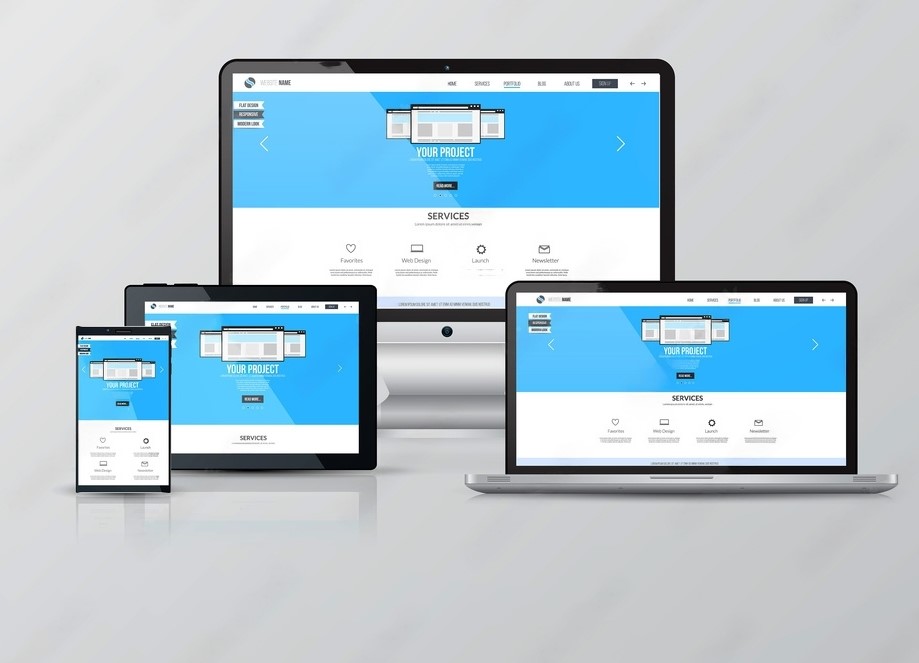
It is crucial to have a responsive site design in the mobile-driven world of today. Your website will adjust to various screen sizes and devices thanks to responsive design, giving users a smooth experience. Your website must be mobile-friendly because more and more people are using smartphones and tablets to access the internet. To create an aesthetically pleasing and user-friendly experience across all platforms, apply responsive design concepts. This involves utilizing fluid fonts, scalable pictures, and adaptable grid layouts. To make sure your website appears and performs well across all platforms, test it on a variety of gadgets and screen sizes. You may better serve the demands of mobile users and increase engagement and conversion rates by providing a responsive site design.
Element #3: Focus on Website Speed and Performance

User experience and search engine rankings are significantly impacted by website performance and speed. A slow-loading website can aggravate visitors and raise bounce rates, which will hurt your company's bottom line. Reduce file sizes, compress images, and employ caching strategies to speed up your website. Set up browser caching so that users' devices can save static resources, eliminating the need to request them from the server on subsequent visits.
Regardless of where the user is located, employ content delivery networks (CDNs) to distribute the content of your website across several servers, resulting in quicker page loads. Use tools like Google PageSpeed Insights or GTmetrix to regularly check the speed of your website, and fix any problems as soon as they are found. A smooth and engaging user experience will be provided by focusing website speed and performance, increasing engagement and conversion rates.
Element #2: Optimize for Search Engines
It's essential to optimize your website for search engines to guarantee that it obtains the most visibility possible. Search engine result pages (SERPs) ranks can be improved and organic traffic can be increased by implementing efficient search engine optimization (SEO) tactics. Find appropriate and effective keywords connected to your business by first conducting keyword research. Use these keywords sparingly but effectively in the page names, headings, meta descriptions, and body text of your website. For each page, provide a distinct and enlightening meta description because these snippets frequently appear in search results and can affect click-through rates.
The process of producing valuable, high-quality content is another crucial component of SEO. Create a content strategy that prioritizes addressing the needs and interests of your target audience. Regularly publish blog posts, articles, or videos that offer insightful information, advice, or solutions concerning your sector. Make sure your material is well-written, interesting, and keyword-optimized. The authority and reliability of your website in the eyes of search engines can be increased by constructing backlinks to it from reliable sites.
Element #1: Monitor, Analyze, and Adapt

Since web development is a continuous process, it's crucial to continually track and evaluate your website's effectiveness. Review the analytics for your website frequently to learn more about visitor behavior, traffic sources, conversion rates, and other important information. To make wise judgments and spot areas for improvement, tools like Google Analytics can offer useful data. Pay attention to user reviews, comments, and questions to learn how visitors feel about your website and to quickly address any problems or issues.
Make data-driven adjustments to your website based on the insights you gleaned from your analytics. This can entail changing certain design components, honing your content strategy, or adding fresh features and functionalities. To keep your website competitive and relevant, keep up with the most recent web development trends, best practices, and technology. Test and try out several strategies frequently to evaluate which is most effective for your audience and business objectives.
Always keep in mind that the ultimate purpose is to design a website that not only achieves your company objectives but also offers a top-notch user experience. You may turn your idea for web development into a profitable online presence for your black-owned business by taking the following 10 crucial steps.
Wrapping It Up:

Finally, developing a great website for your black-owned business involves thorough planning, smart implementation, and continual optimization. You may create a strong foundation for your web development journey and improve your chances of developing a captivating online presence that fosters growth and success by adhering to the 10 key stages indicated in this article.
The different facets of web development that we addressed in this tutorial ranged from identifying your objectives and target market to creating a compelling user experience, optimizing for search engines, and regularly tracking and modifying your website. Each stage is essential to ensuring that your website not only properly represents your business but also gives visitors a seamless and worthwhile experience. Remember to stay focused, have patience, and embrace the iterative nature of the process as you begin your web development adventure. It takes time and effort to create a good website, but the results are well worth it. Your website will operate as a potent tool to draw in clients, keep them interested in your offerings, and advance your black-owned business.