


10 Expert Tips for Effective Web Design and Development for Black-Owned Businesses
Welcome to our complete black-owned business web design and development guide. In today’s digital world, having an online presence is more important than ever, and a well designed website is at the core of your business. Whether you’re just starting out or looking to update your current website, these expert web design and development tips will help you build an engaging online platform that speaks to your target audience and helps your business grow.
In today’s article, we’ll look at ten key tips recommended by industry professionals to help you take your web design & development efforts to the next level. Whether you’re looking to create an engaging user experience or optimize your site for search engine optimization, we’ve got you covered. Let’s dive in and find out the strategies that will help take your black owned business to the next level in the online world.
Element #10: Responsive Design
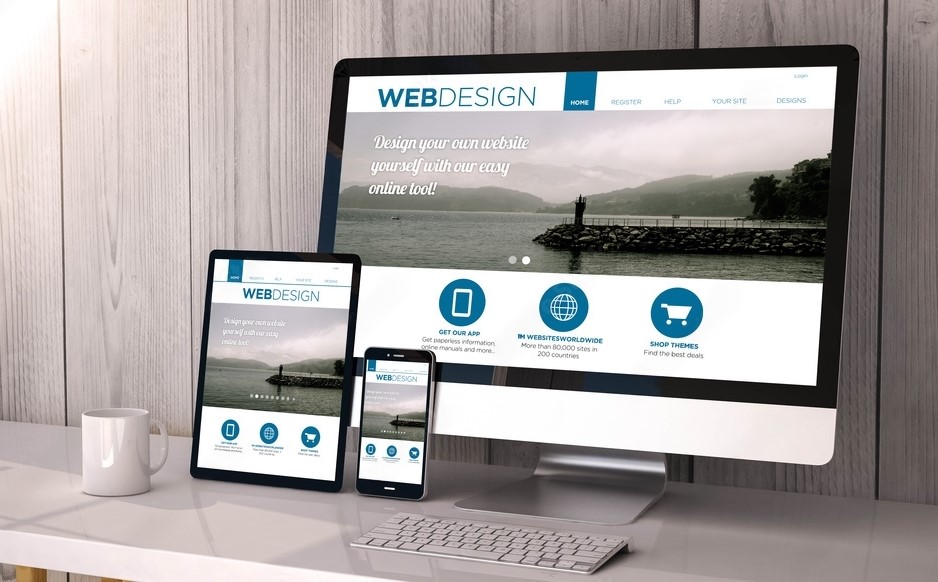
Responsive design is essential in today's mobile-first environment to guarantee that your website looks fantastic and works flawlessly on all devices. A responsive website offers a smooth user experience by adjusting to various screen sizes. Adopting a responsive design increases customer satisfaction while also enhancing your website's search engine rankings because mobile-friendly websites are given priority by search engines.
Start by utilizing a mobile-friendly theme or template for your website in order to achieve responsive design. For quicker loading times on mobile devices, optimize your photos and media files. To make sure it appears correctly and is simple to navigate, test your website across a range of platforms and screen sizes. To speed up the process, think about using a responsive design framework or responsive design plugins.
Element #9: Clear Branding and Visual Identity

Your black-owned business's distinctive personality and core beliefs should be reflected on your website. Building a strong brand presence can help you stand out from the crowd and inspire confidence in your audience. Make your brand identity aesthetically appealing and unified so that it appeals to your target audience. Create a memorable logo that reflect your brand and its core principles first. Choose a color scheme that complements the personality of your brand and produces a pleasing visual effect.
Use crisp pictures and graphics to highlight your company's goods, services, and employees. Maintain a consistent tone of voice and use uniform typeface throughout your website. By putting these branding tactics into practice, you'll create a recognizable and consistent visual identity that creates a lasting impact on visitors to your website.
Element #8: Streamlined Navigation and User Experience

A seamless user experience requires a website with a clear structure and easy navigation. Visitors should have no trouble navigating your website and finding the information they require. An efficient navigation system increases user happiness and motivates them to learn more about your services. Start by dividing the material of your website into logical sections and categories. To make it easier for people to understand where they may locate specific information, employ clear and succinct labels for your navigation menu.
Add a search feature to make it easier to find the stuff you're looking for quickly. Reduce superfluous features on pages and enhance image quality to speed up page load times. Navigation can be improved even more by adding user-friendly elements like internal linking and breadcrumbs. To guarantee a seamless user experience for all visitors, regularly test and improve the usability of your website.
Element #7: Compelling and Engaging Content

Any successful website relies on engaging content as its foundation. It's what keeps people interested, entices them to keep exploring, and forces them to behave in a particular way. High-quality, educational, and pertinent material will draw readers while also establishing your authority and trust in your sector. Start by being familiar with your target audience's problems. Create a content strategy that satisfies their wants and offers insightful information. To make an experience that is lively and compelling, combine written material with images and multimedia components. Apply storytelling approaches to your material to make it memorable and relatable.
Make sure your material is well-structured, simple to read, and search engine optimized. To make your material more discoverable, naturally incorporate pertinent keywords into it. Update your content frequently to stay current and provide your viewers new perspectives. You may produce engaging content that connects with your target audience and increases website interaction by using these professional advice.
Element #6: Optimize for Search Engines

A website must be both aesthetically pleasing and user-friendly, but it must also be optimized for search engines. Your website will rank better in search engine results thanks to search engine optimization (SEO) strategies, increasing its visibility to potential customers. To begin, conduct keyword research to find pertinent words and phrases associated with your company and sector. Include these keywords in page titles, headings, and meta descriptions as well as naturally throughout the rest of your website's content. For each page, create distinct and informative meta tags while keeping them within the advised character limitations.
By utilizing caching methods, reducing unused code, and optimizing pictures, you may increase the speed at which your website loads. As mobile-optimized websites are given preference by search engines, make sure your website is responsive and mobile-friendly. Utilize SEO tools to continuously track and evaluate the effectiveness of your website and to pinpoint areas for development. You may boost your website's exposure in search engine results and generate organic traffic by putting SEO measures into place.
Element #5:Leveraging Social Media Integration

Our daily lives now include social media, which gives black-owned businesses a fantastic opportunity to contact new customers and interact with existing ones. To create a sense of community, promote social sharing, and increase traffic to your website, integrate social media networks. The first step is to prominently display social media icons on your website so that users can quickly connect with your social networks. Include social sharing buttons on your product pages and blog articles to encourage customers to spread the word about your content. Use social media feeds to display real-time changes and user-generated material on your website.
Engage your audience on social media by promptly answering their messages, reviews, and comments. By running campaigns or contests on social media, promote user-generated content. Utilize social media analytics tools to learn more about the habits and preferences of your audience and to help you improve your social media campaigns. You may increase your online visibility, create deep connections with your audience, and increase website traffic by utilizing social media integration.
Element #4:Implementing Robust Security Measures

Website security is crucial, especially when it comes to safeguarding private client data and upholding audience confidence. Put in place strong security measures to protect your website from online dangers and guarantee that your visitors will have a secure surfing experience. Start by picking a trustworthy web server that places a high priority on security and provides SSL encryption. Update the plugins, themes, and software on your website frequently to fix any security flaws. Use secure and distinctive passwords for the admin accounts on your website. Firewalls and security plugins can be used to track and stop malicious activity.
Ensuring that your website complies with data protection laws will help to ensure that client data is collected and stored safely. Use SSL certificates to encrypt sensitive consumer data, such as payment information. Backup your website frequently to avoid data loss in the event of an attack. By placing a high priority on website security, you inspire client confidence and show that you are dedicated to safeguarding their personal information.
Element #3:Emphasizing Transparency and Accountability

Customers consider transparency and accountability as fundamental principles that are important in fostering long-lasting relationships. To inspire trust in your readers, demonstrate responsibility and transparency on your website. Start by giving clear and thorough details about your company, including your mission, vision, and core principles. Make it simple for clients to get in touch with you if they have any queries or complaints by prominently displaying your contact information. Make a "About Us" page that profiles the people who founded your company and tells their personal tales.
On your website, highlight client testimonials and reviews to highlight happy clients and provide social proof. Be open and honest about your product or service's pricing, return policy, and any other terms and restrictions. Release a transparent privacy statement outlining your handling of client data and respect for their privacy. You establish credibility and develop a dependable image for your black-owned business by putting a strong emphasis on accountability and transparency.
Element #2:Ensuring Website Security

In today's digital environment, where cyber threats are getting more complex, website security is crucial. By putting in place strong security measures, you can safeguard your website and the information of your clients. Start by routinely updating the plugins, themes, and software on your website to make sure you have the most recent security updates. Select a safe hosting company that provides SSL encryption to safeguard private information sent between your website and users' browsers. For the admin accounts on your website, use strong and distinctive passwords.
Install a trustworthy security plugin that offers tools like malware scanning, firewall defense, and attack prevention against brute force. Keep an eye out for any strange activity on your website and take aggressive steps to fix any potential security flaws. Create regular website backups to protect against data loss. By placing a high priority on website security, you establish a secure and reliable environment for your clients, increasing their faith in your black-owned company.
Element #1:Continual Optimization and Adaptation

To meet the changing needs of your black-owned business and your audience, it's crucial to continuously optimize and adjust your website. Web design and development are an ongoing process. Utilize analytics tools to regularly evaluate the effectiveness of your website and pinpoint areas for development. To improve the user experience, keep an eye on user behavior, such as bounce rates and conversion rates, and make data-driven decisions. Compare various design elements and layouts using A/B testing to see which ones your audience responds to the most.
Keep up with the most recent developments in technology and web design. Include fresh features and capabilities that advance user experience while supporting your company's objectives. Continue to undertake keyword research, fine-tune your content strategy, and accelerate the loading time of your website to continually optimize it for search engines. Your website's relevancy, effectiveness, and capacity to propel success for your black-owned business are all ensured by ongoing optimization and adaptation.
Wrapping It Up:

In conclusion, implementing these expert tips for effective web design and development will empower your black-owned business to thrive in the digital landscape. As you strive to create an engaging website.